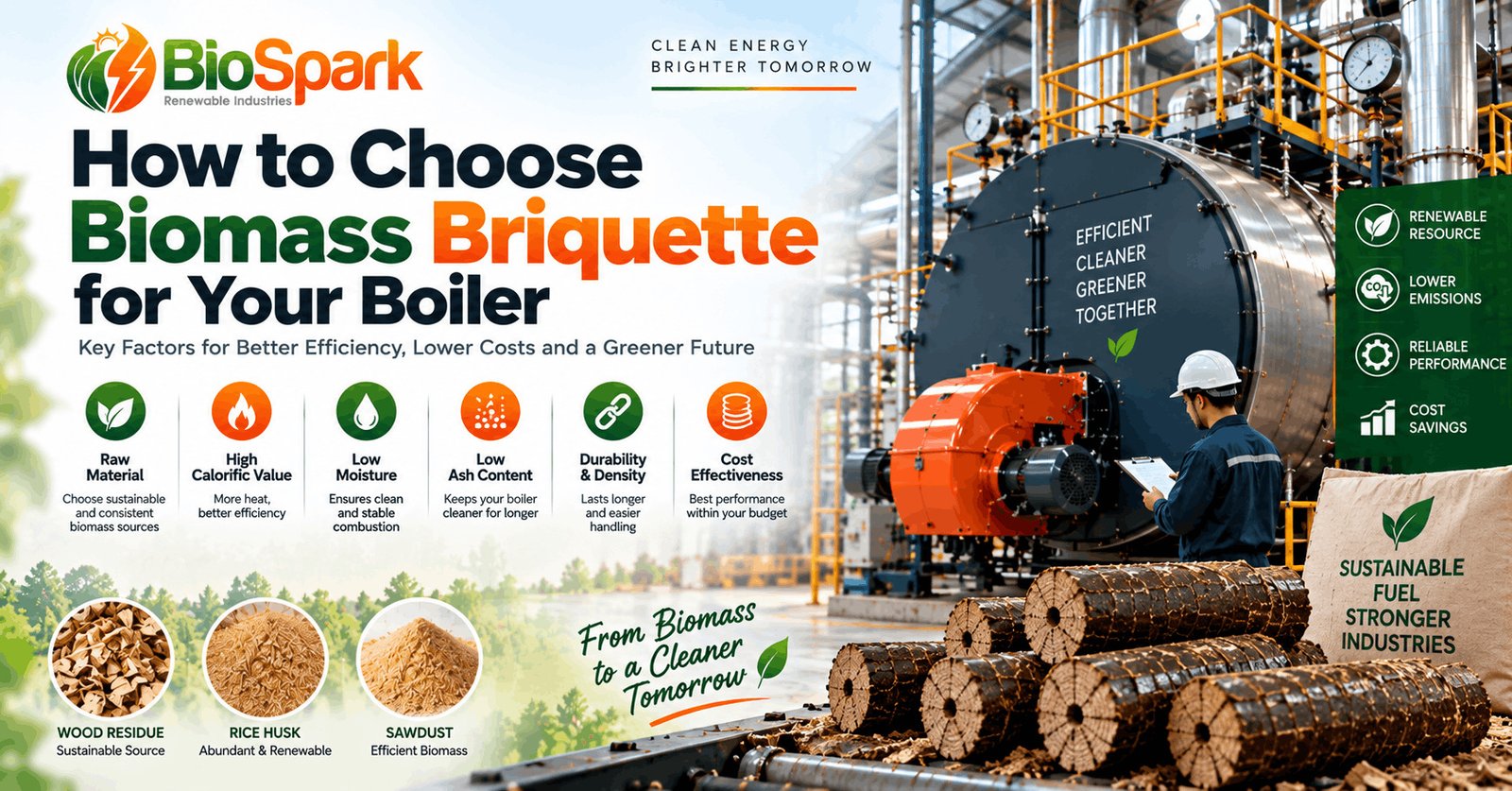
What Are Biomass Briquettes? A Complete Guide for Industrial Fuel Users
Biomass briquettes are becoming an increasingly important alternative fuel for industries in Bangladesh. With rising demand for efficient industrial heating solutions, manufacturers are looking for reliable fuel options for boilers, furnaces and other thermal applications.
For factories searching for biomass briquettes Bangladesh, understanding how biomass briquettes are produced, their benefits, applications and pricing factors is essential before choosing a fuel supplier.
In this complete guide, we will explain biomass briquettes, their industrial applications, their use as biomass fuel for industrial boilers Bangladesh, applications of biomass briquettes for textile industry Bangladesh, factors affecting biomass briquette price Bangladesh, and how to choose a reliable biomass fuel supplier Bangladesh.
What Are Biomass Briquettes?
Biomass briquettes are compressed solid fuel products made from renewable biomass materials and organic residues.
Depending on the production process and available raw materials, biomass briquettes can be produced from materials such as sawdust, wood residues and other suitable biomass waste.
The briquetting process compresses loose biomass into a denser and more convenient form. This makes the material easier to transport, store and handle compared with loose biomass.
For industrial users, the main attraction of biomass briquettes is their potential to provide a practical source of thermal energy while making productive use of biomass residues.
Industries that require heat or steam can consider biomass briquettes as an alternative solid fuel when their boiler or combustion system is compatible with the fuel.
For businesses interested in renewable industrial fuel solutions, you can learn more about Biospark Renewable Industries and its biomass-focused approach.
How Are Biomass Briquettes Made?
The quality of a biomass briquette depends significantly on the quality of its raw materials and production process.
Although manufacturing methods vary, the basic process generally includes the following steps.
- Collection of Biomass Materials
Suitable biomass residues are collected from sources such as sawmills, woodworking operations and other biomass-generating industries.
Sawdust is particularly useful because it is already available as a fine material and can be processed efficiently in suitable briquetting systems.
- Drying
Moisture is one of the most important characteristics of biomass fuel.
If biomass contains excessive moisture, part of the combustion energy may be consumed in evaporating water instead of producing useful heat.
Therefore, proper moisture control is important for producing consistent-quality briquettes.
- Size Reduction and Preparation
Depending on the raw material, biomass may be processed to achieve a suitable particle size before compression.
Uniform feed material can help improve the consistency of the finished briquette.
- Compression
The prepared biomass is compressed using specialized briquetting machinery.
High pressure creates a compact fuel product with greater density than the original loose biomass.
- Storage and Delivery
Finished briquettes need to be stored in suitable dry conditions before being delivered to industrial customers.
Proper storage helps protect the fuel from moisture and maintain its quality during transportation and handling.
Why Are Biomass Briquettes Important for Bangladesh?
Bangladesh has a large manufacturing and industrial sector that requires thermal energy for various production processes.
Textile factories, dyeing and finishing facilities, food-processing plants, manufacturing units and other industrial businesses may require boilers or heating systems to generate steam and process heat.
This creates an opportunity to use biomass residues as a useful energy resource.
Instead of treating sawdust and other suitable biomass residues only as waste, these materials can be processed into compact fuel briquettes.
A Bangladesh-focused study on renewable thermal energy for the textile and garments sector identified biomass as one potential alternative for fossil-fuel-based thermal applications. The study also discussed the advantages of densifying biomass into briquettes for easier storage and handling.
For industrial businesses, the key opportunity is therefore not simply replacing one fuel with another. It is developing a reliable fuel system that provides suitable heat, predictable consumption and dependable supply.
Biomass Fuel for Industrial Boilers Bangladesh
One of the most important applications of biomass briquettes is as biomass fuel for industrial boilers Bangladesh.
Industrial boilers are used to generate steam for manufacturing and processing operations. Depending on boiler design, combustion technology and fuel-feeding arrangements, biomass briquettes can potentially be used as a solid fuel.
However, not every boiler is automatically suitable for every type of biomass briquette.
Before changing fuel, industrial users should evaluate several technical factors, including:
- Boiler design
- Combustion system
- Fuel feeding mechanism
- Briquette dimensions
- Moisture content
- Ash content
- Calorific value
- Bulk density
- Fuel consumption
- Storage capacity
- Emission-control requirements
A fuel trial is often useful before making a large-scale change.
During a trial, the factory can evaluate fuel consumption, steam generation, combustion performance, ash production and overall operating cost.
This approach helps the factory determine whether biomass briquettes are technically and economically suitable for its particular boiler.
Biomass Briquettes for Textile Industry Bangladesh
The textile and garments sector is one of the major industrial sectors in Bangladesh.
Textile production can require significant amounts of steam and thermal energy, particularly in processes such as dyeing, finishing and washing.
This is why biomass briquettes for textile industry Bangladesh have attracted interest among industrial energy users.
Suitable biomass briquettes may be considered for textile boilers and other thermal systems designed or adapted for solid biomass fuels.
However, textile manufacturers should pay particular attention to fuel consistency.
A briquette with inconsistent moisture, excessive ash or irregular dimensions can affect combustion performance and increase boiler maintenance requirements.
Therefore, textile factories should evaluate biomass fuel based on both price and performance.
A reliable supplier should be able to provide information about the fuel’s specifications and maintain consistent quality across deliveries.
For textile manufacturers exploring renewable thermal energy, working with an experienced biomass fuel company can make the transition easier and more predictable.
What Is Sawdust Briquette Bangladesh?
When searching for sawdust briquette Bangladesh, many industrial buyers are interested in understanding how sawdust can be converted into useful fuel.
Sawdust is a by-product of woodworking and sawmill operations.
In loose form, sawdust has relatively low bulk density, which can make transportation and storage less efficient.
Through a briquetting process, sawdust can be compressed into dense fuel blocks.
Sawdust briquettes can provide several practical advantages:
- Compact fuel form
- Easier transportation
- Easier storage
- Convenient handling
- More consistent shape
- Potentially more predictable combustion when quality is controlled
However, the quality of sawdust briquettes can vary depending on raw material, moisture, production technology and storage conditions.
Therefore, industrial buyers should request technical specifications before purchasing large quantities.
Biomass Briquette Price Bangladesh: What Affects the Cost?
One of the most common questions from industrial buyers is:
How much is the biomass briquette price Bangladesh?
There is no single fixed price for every biomass briquette.
The actual price can vary according to several factors.
Raw Material Cost
The availability and type of biomass used to produce briquettes can influence production costs.
If raw materials are readily available near the production facility, transportation and processing costs may be lower.
Moisture Content
Moisture affects both production and combustion performance.
Producing a properly dried biomass fuel may require additional processing and energy.
Briquette Quality
Briquettes with controlled moisture, density and ash characteristics may have a different price from lower-grade products.
Order Quantity
Industrial customers purchasing large quantities may receive different pricing compared with small-volume buyers.
Delivery Location
Transportation can be a significant part of the delivered cost.
For example, the price delivered to a factory can differ from the factory-gate price because of distance, transportation requirements and delivery volume.
Market Availability
Seasonal biomass availability and market demand can also influence pricing.
Therefore, businesses should not judge a biomass fuel only by its price per kilogram.
A better comparison is the cost of producing useful heat.
For example, a cheaper fuel may not necessarily be more economical if it contains significantly more moisture or produces excessive ash.
How to Choose a Biomass Fuel Supplier Bangladesh
Selecting the right biomass fuel supplier Bangladesh is critical for industries that depend on continuous boiler operation.
A supplier should ideally provide clear information about the fuel and its supply capability.
Before placing a bulk order, industrial buyers should ask about:
- Raw material source
- Moisture content
- Ash content
- Calorific value
- Briquette size
- Production capacity
- Available monthly supply
- Delivery schedule
- Minimum order quantity
- Packaging or bulk delivery options
- Quality-control process
Supply reliability is particularly important for factories.
Even if a fuel has an attractive price, inconsistent delivery can create serious operational problems for a manufacturing facility.
A dependable supplier should be able to understand the customer’s fuel consumption requirements and develop a practical delivery schedule.
What Should Industries Test Before Buying?
Before purchasing biomass briquettes for long-term industrial use, buyers should consider conducting a sample or trial evaluation.
The following parameters can be monitored:
Fuel Consumption
Measure how much briquette is required to generate the required amount of steam or heat.
Combustion Performance
Observe how consistently the briquettes burn and whether the boiler maintains the required operating conditions.
Ash Generation
Monitor the quantity and characteristics of ash produced during combustion.
Boiler Performance
Evaluate whether the fuel works efficiently with the existing boiler and feeding system.
Total Operating Cost
Compare the overall cost against the existing fuel rather than comparing only the price per kilogram.
This type of evaluation provides a much clearer picture of whether biomass briquettes are suitable for a specific industrial application.
Environmental Benefits of Biomass Briquettes
Another reason industries are considering biomass briquettes is their potential contribution to more sustainable resource utilization.
Biomass briquettes can transform suitable organic residues into useful fuel.
This can help create a productive use for materials such as sawdust and other biomass residues that might otherwise require disposal.
When biomass is responsibly sourced and appropriately processed, it can become part of an industrial renewable-energy strategy.
However, businesses should consider the entire fuel lifecycle, including:
- Raw material sourcing
- Processing
- Transportation
- Storage
- Combustion
- Emission control
The environmental benefits of biomass fuel therefore depend on responsible sourcing and efficient utilization.
Why Businesses Choose Biospark Renewable Industries
For companies searching for biomass briquettes Bangladesh, choosing a supplier that understands industrial fuel requirements is essential.
Biospark Renewable Industries is focused on renewable energy and biomass-based fuel solutions for industrial users in Bangladesh.
Industrial businesses can start by identifying their current fuel consumption, boiler capacity, operating schedule and required thermal output.
They can then compare suitable biomass fuel options based on quality, availability, delivery capability and total operating cost.
Whether you are researching biomass fuel for industrial boilers Bangladesh, evaluating biomass briquettes for textile industry Bangladesh, looking for sawdust briquette Bangladesh, or comparing the biomass briquette price Bangladesh, a professional consultation can help you make a more informed decision.
Visit Biospark Renewable Industries to learn more about biomass-based renewable energy solutions.
Final Thoughts
Biomass briquettes can offer an interesting renewable fuel option for suitable industrial applications in Bangladesh.
From biomass briquettes Bangladesh to biomass fuel for industrial boilers Bangladesh, businesses are increasingly interested in alternatives that can support reliable thermal energy while making better use of biomass resources.
For textile factories, manufacturing companies and other industrial users, the most important consideration should not simply be the lowest fuel price.
Instead, businesses should evaluate fuel quality, boiler compatibility, consumption, supply reliability, storage requirements and total operating cost.
If you are considering biomass as an alternative industrial fuel, Biospark Renewable Industries can be a starting point for discussing your biomass fuel requirements and exploring suitable solutions for your operation.
Looking for biomass briquettes or industrial biomass fuel in Bangladesh? Contact Biospark Renewable Industries to discuss your fuel requirements and bulk supply needs.
Frequently Asked Questions
- What are biomass briquettes?
Biomass briquettes are compressed solid fuel products made from suitable biomass materials such as sawdust and other organic residues.
- Can biomass briquettes be used in industrial boilers?
They can be used in suitable industrial boilers and combustion systems, but compatibility should be confirmed before switching fuels.
- Are sawdust briquettes suitable for factories?
Sawdust briquettes can be suitable for certain industrial applications when they meet the required fuel specifications and the boiler is compatible.
- What is the biomass briquette price in Bangladesh?
The biomass briquette price Bangladesh depends on fuel quality, raw material, moisture, order quantity, delivery distance and market conditions.
- Can textile factories use biomass briquettes?
Suitable textile-industry boilers may use biomass briquettes, subject to boiler compatibility and appropriate fuel specifications.
- How do I find a reliable biomass fuel supplier in Bangladesh?
Look for a supplier that can provide consistent quality, technical specifications, dependable bulk supply and reliable delivery.